Hormones explained
One hormone at a time: the test, the levels and what a result can mean.
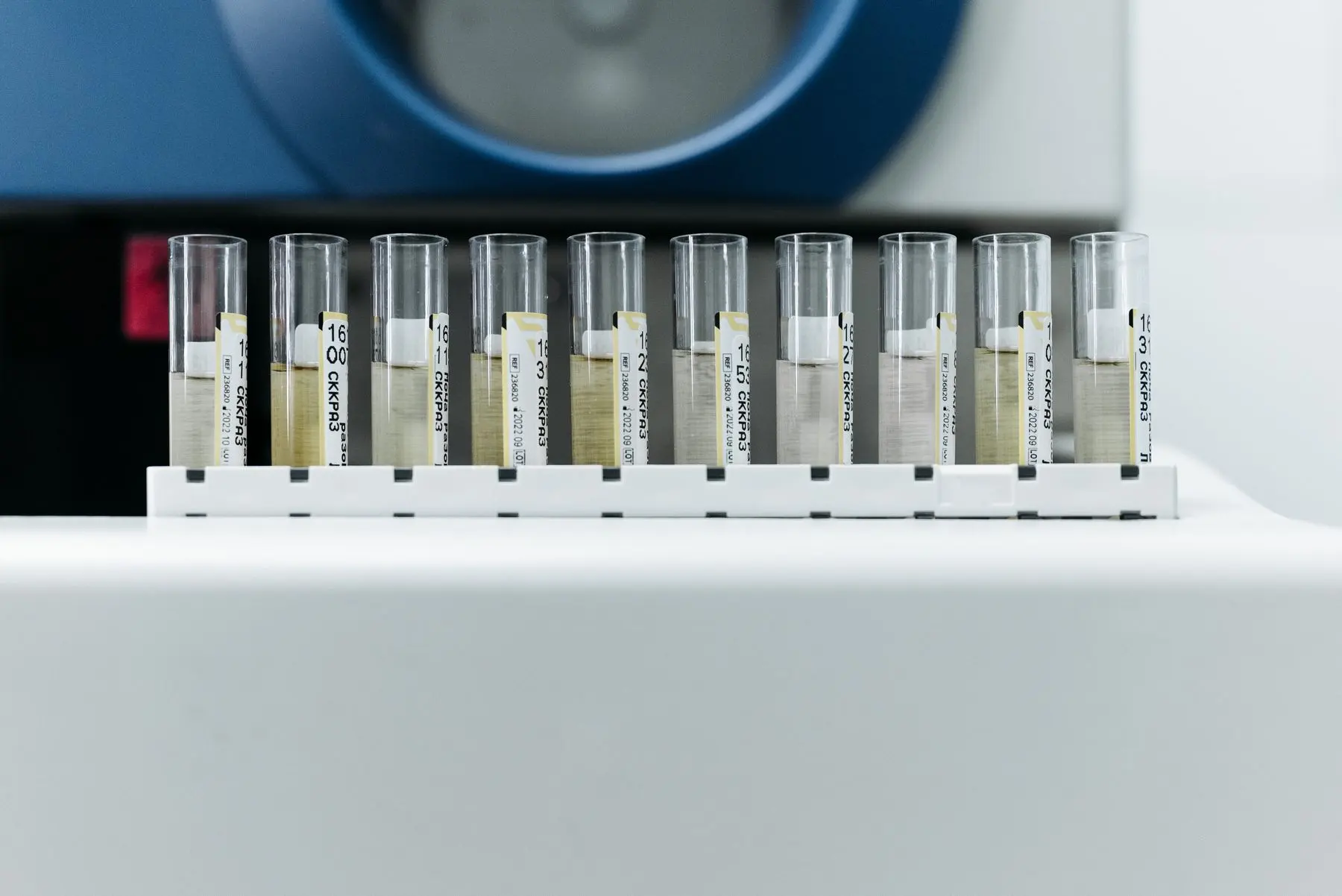
Progesterone
- Progesterone blood testA progesterone test is a blood test. See what it measures, why it is ordered, how to prepare, and why the day of your cycle changes what the number means.
- Progesterone levels by cycle phase and after menopausePublished progesterone reference limits for the follicular phase, the luteal phase and after menopause, with units, plus why your lab's range may differ.
- Low progesteroneA low progesterone result is normal at some points in life and a signal at others. See what it can mean, why timing matters, and when to see a clinician.
- When to test progesteroneThe day 21 progesterone test assumes a 28-day cycle with ovulation on day 14. See why that fails for many cycles, and why to follow the day on your lab order.
Estrogen and estradiol
- Estradiol blood testAn estradiol (E2) blood test measures the main estrogen in women of childbearing age. See why it is ordered, how to prepare, and what its timing means.
- Estradiol levels by cycle phase and after menopausePublished estradiol reference limits for the follicular phase, the luteal phase and after menopause, copied with units, and why your lab's range may differ.
- How to test estrogen levelsEstrogen can be tested in blood, urine or saliva, and there is more than one type. See which test fits your question, how to prepare, and what it can't tell you.
- Low estrogenA low estradiol result can be expected in some phases of life and a sign of a problem in others. See what it can mean and when to see a clinician.
- High estrogenA high estradiol result can be normal at some points in the cycle, in pregnancy or with some medicines. See what else it can mean and when to see a clinician.
FSH and LH
- What is FSH?FSH is a pituitary hormone that helps control the menstrual cycle and egg growth. Learn what it does, why it rises at menopause and when it is tested.
- FSH testAn FSH test measures follicle-stimulating hormone in blood. See why it is ordered, how cycle timing matters, what results can mean and what it can't tell you.
- FSH levelsFSH reference ranges by cycle phase and after menopause from one named hospital lab, plus what high and low FSH can mean and why your lab's range is the one to use.
- What is LH?LH is the pituitary hormone that triggers ovulation. See what it does, how LH ovulation strips differ from a blood test, and one lab's published LH ranges.
- LH and FSH testLH and FSH are usually tested together. See why, when the LH:FSH ratio is used in PCOS questions, how cycle day matters, and one lab's published ranges.
Testosterone and PCOS
- PCOS testsNo single blood test diagnoses PCOS. See how the international guideline diagnoses it, which labs are typically ordered, and the lowest-priced fits.
- Testosterone test for womenWomen make testosterone too. See what the test measures, total versus free, a published range for women, and which blood test is the lowest-priced fit.
- Low testosterone in womenTestosterone is low in women by nature. See what a low result can mean, why a single number rarely explains symptoms, and when to talk to a clinician.
- High testosterone in womenA high testosterone result in a woman can have several causes, from PCOS to adrenal or ovarian conditions. See what it can mean and when to see a clinician.
- High SHBG in womenHigh SHBG in a woman has several possible causes, including the birth control pill and an overactive thyroid. See what it means for testosterone and what to do next.
Prolactin
- Prolactin test for womenA prolactin test measures a pituitary hormone linked to periods, fertility and milk production. See when it is ordered, how to prepare and a published range.
- High prolactin in womenHigh prolactin has many possible causes, from medicines to a pituitary tumor. See what a high result can mean, what happens next and when to see a clinician.